


-

Add: HeBei ShengShi HongBang Cellulose Technology CO.,LTD.
-

Email
13180486930@163.com -

CONTACT US
+86 13180486930
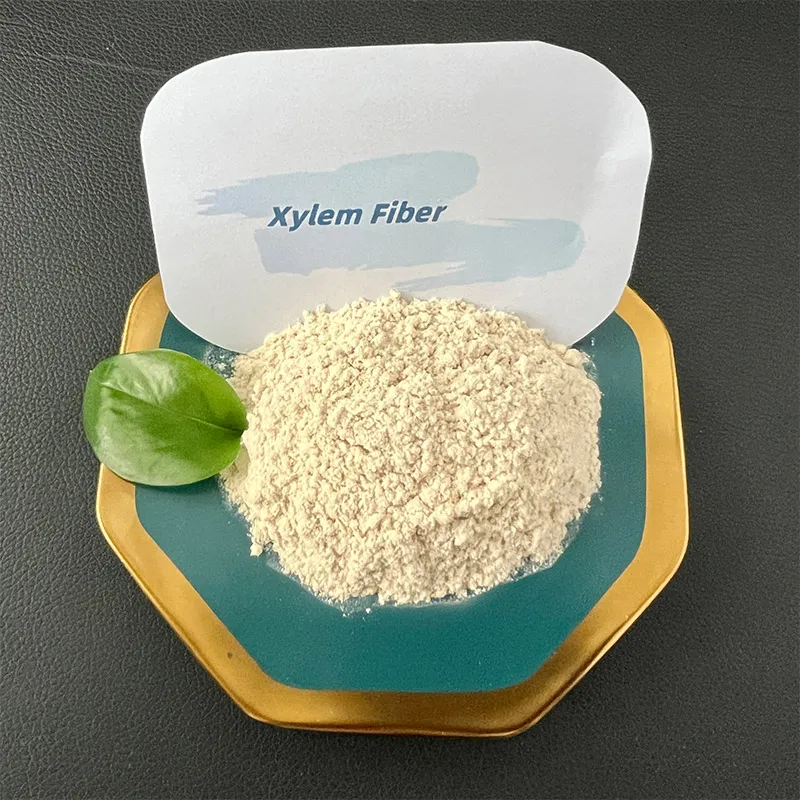
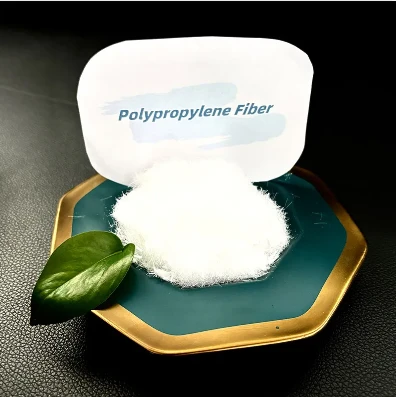




Waterproofing membranes are the unsung heroes of construction, safeguarding structures from water damage and ensuring longevity. Among the materials elevating their performance, polypropylene fiber stands out as a versatile and durable additive. Alongside polyolefin fiber and pp fiber variants, it enhances the strength, flexibility, and water resistance of membranes, making them indispensable in modern building projects. Hebei ShengShi HongBang Cellulose Technology CO.,LTD, a professional manufacturer with over 20 years of experience, located in Hebei Province Xinji provincial clean chemical Industry Park with excellent transportation links, extends its expertise beyond HPMC to include high-quality fiber additives. Their advanced German production processes and daily capacity of 80–100 tons make them a reliable partner for wholesalers seeking top-tier construction materials. This article explores how polypropylene fiber enhances waterproofing membranes, highlighting its benefits and applications. Types of Polyolefin Fiber for Waterproofing Membranes Polypropylene Fiber: Polypropylene fiber , a type of polyolefin fiber , is a lightweight, inert material known for its high tensile strength and resistance to moisture. When incorporated into waterproofing membranes, it reinforces the structure, preventing cracks and tears that could compromise water resistance. Wholesalers can note that its chemical stability makes it ideal for membranes exposed to harsh environments, such as coastal areas or industrial sites. PP Fiber: Pp fiber (short for polypropylene fiber) is often used in shorter lengths, ensuring uniform dispersion throughout the membrane. This even distribution enhances the material’s overall toughness, making it more resistant to punctures and abrasions—common risks during construction or maintenance. Hebei ShengShi HongBang’s pp fiber is processed to meet strict quality standards, ensuring consistent performance in waterproofing applications. Specialty Polyolefin Fiber: Some polyolefin fiber variants are engineered for specific membrane needs, such as enhanced UV resistance or flexibility at low temperatures. These are ideal for membranes used in extreme climates, from hot deserts to cold regions. Their versatility allows for customization, making them a valuable addition to any wholesaler’s product range. Enhancing Waterproofing Membranes with Polypropylene Fiber Crack Resistance: Polypropylene fiber acts as a micro-reinforcement in waterproofing membranes, disperse stress and prevent the expansion of micro-cracks. When membranes expand or contract due to temperature changes, the fibers absorb the stress, preventing the formation of larger cracks that could allow water penetration. This is particularly critical for membranes used in concrete structures, where movement is inevitable. Improved Flexibility: Membranes containing pp fiber are more flexible, adapting to structural shifts without losing integrity. This flexibility is key for waterproofing areas prone to movement, such as foundation walls, roof joints, or expansion gaps. Unlike rigid membranes that may crack under stress, fiber-reinforced ones bend and stretch, maintaining a watertight seal. Water Resistance Boost: Polyolefin fiber is inherently water-repellent, adding an extra layer of protection to membranes. When combined with waterproofing compounds, it creates a barrier that not only blocks water but also resists degradation from moisture over time. This longevity reduces the need for frequent membrane replacements, saving costs for construction projects. Performance Benefits of PP Fiber in Waterproofing Membranes Performance Aspect Membrane with PP Fiber Standard Membrane (Without Fiber) Advantage for Construction Tear Resistance High; resists damage from sharp objects Low; prone to tearing during installation Reduces repair costs and ensures long-term water resistance. Flexibility Excellent; adapts to structural movement Limited; may crack under stress Ideal for dynamic structures like bridges or high-rise buildings. Durability Long lifespan; resistant to moisture and chemicals Shorter lifespan; prone to degradation Lowers maintenance needs and extends the structure’s waterproofing life. Installation Ease Easier to handle and apply; less prone to wrinkling May be stiff or fragile Saves time and labor costs during membrane installation. This table helps wholesalers demonstrate how pp fiber elevates waterproofing membrane performance, making it a must-have additive for quality-conscious clients. Practical Applications of Polypropylene Fiber in Membranes Roof Waterproofing: Polypropylene fiber -reinforced membranes are widely used in roof applications, where they withstand UV exposure, temperature fluctuations, and foot traffic. The fibers prevent cracks caused by thermal expansion, ensuring the roof remains watertight even in extreme weather. This makes them a favorite for commercial and residential buildings alike. Basement and Foundation Membranes: In below-grade structures, polyolefin fiber -enhanced membranes protect against hydrostatic pressure, preventing water from seeping into basements or foundations. The fibers reinforce the membrane, allowing it to withstand the weight of soil and water without tearing. Hebei ShengShi HongBang’s polypropylene fiber is particularly effective in these critical applications, ensuring structural integrity. Tunnel and Infrastructure Waterproofing: Tunnels, bridges, and other infrastructure projects rely on durable waterproofing membranes. Pp fiber -reinforced options offer the strength and flexibility needed to withstand constant vibration, ground movement, and exposure to water. Their resistance to chemicals and abrasion makes them ideal for these high-demand environments. Polypropylene Fiber FAQS What Dosage of PP Fiber Is Ideal for Waterproofing Membranes? Typically, pp fiber is used at 0.5–2% by weight of the membrane mix. Lower dosages (0.5–1%) enhance flexibility, while higher dosages (1–2%) boost tear resistance. Hebei ShengShi HongBang’s technical team can recommend precise dosages based on specific membrane formulations and project needs. Is Polyolefin Fiber Compatible with All Membrane Materials? Yes, polyolefin fiber (including polypropylene fiber ) is compatible with most membrane materials, such as bitumen, PVC, and TPO. It blends seamlessly with these substrates, enhancing performance without causing chemical reactions. This compatibility simplifies product selection for wholesalers and ensures versatility across projects. Does Polypropylene Fiber Affect Membrane Installation? No, polypropylene fiber actually eases installation. Its reinforcement makes membranes more tear-resistant during handling, reducing waste. The added flexibility also allows for easier shaping around corners, pipes, and other obstacles, ensuring a snug, watertight fit. How Does PP Fiber Perform in Extreme Temperatures? Pp fiber maintains its properties across a wide temperature range, from -40°C to 120°C. This makes it suitable for membranes used in both cold and hot climates, where temperature-induced expansion and contraction are common. It resists brittleness in the cold and melting in the heat, ensuring consistent performance. Where Can Wholesalers Source Quality Polypropylene Fiber for Membranes? Hebei ShengShi HongBang Cellulose Technology CO.,LTD provides premium polypropylene fiber and pp fiber products, perfect for enhancing waterproofing membranes. Visit their website to explore their range and partner with a manufacturer renowned for quality and reliability in construction materials.
- 40000tons

Production
- 20+years

Experience
- 5000+㎡

Acreage

-
The Role of Manufacturers in the Production of PP Fiber Polypropylene (PP) fiber has gained significant popularity in the textile and industrial sectors due to its unique properties, including lightweight, durability, and resistance to moisture and chemicals. This versatile material is commonly used in various applications, from clothing to carpets and industrial packaging. The manufacturers of PP fiber play a crucial role in ensuring the quality, efficiency, and innovation of this essential material. This article delves into the key aspects of PP fiber manufacturing, its significance, and the future of this industry. Understanding PP Fiber PP fiber is derived from polypropylene, a thermoplastic polymer. The manufacturing process involves polymerization, where propylene monomers are chemically reacted to form long chains of polypropylene. These chains are then spun into fibers through a process known as melt spinning. As a result, manufacturers can produce fibers of different thicknesses and characteristics, catering to diverse applications. Key Manufacturers Several key players dominate the PP fiber manufacturing landscape. Companies such as Reliance Industries, Indorama Ventures, and LyondellBasell are among the largest producers globally. These manufacturers utilize cutting-edge technology and innovative practices to produce high-quality fibers that meet international standards. Their commitment to research and development has led to advancements in fiber properties, including enhanced strength, UV resistance, and dyeability. Quality Control and Innovation Quality control is paramount in the production of PP fiber. Manufacturers conduct rigorous testing and inspections at various stages of production to ensure that the final product meets specified standards. This includes assessing the fiber's tensile strength, elongation, and resistance to chemicals. By investing in advanced testing equipment and technologies, manufacturers can maintain high quality and consistency, ultimately leading to increased customer satisfaction. mga tagagawa ng pp fiber Innovation is another critical aspect of PP fiber production. As the demand for sustainable and eco-friendly materials rises, manufacturers are exploring new ways to produce PP fibers with a reduced environmental impact. This includes using recycled materials and developing biodegradable PP fibers. By focusing on sustainability, manufacturers are not only meeting market demands but also contributing to global efforts in reducing plastic waste. Applications of PP Fiber PP fiber's versatility allows it to be used in various applications across different industries. In the textile industry, it is widely utilized in making clothing, upholstery, and home furnishings due to its lightweight and breathable nature. In the industrial sector, PP fiber is used for manufacturing geotextiles, ropes, carpets, and automotive interior components. Additionally, its chemical resistance makes it suitable for applications in the medical field, such as disposable surgical gowns and coverings. Challenges in the Industry Despite the many advantages of PP fiber, manufacturers face several challenges. One significant issue is the fluctuating prices of raw materials, particularly propylene. This volatility can affect production costs and ultimately impact pricing for consumers. Additionally, the environmental concerns associated with plastic production require manufacturers to adapt and find sustainable solutions. Striking a balance between profitability and environmental responsibility is a challenge that continues to shape the industry. The Future of PP Fiber Manufacturing Looking ahead, the future of PP fiber manufacturing appears promising. As technology continues to advance, manufacturers will likely develop even stronger and more versatile fibers. Innovations in production processes may lead to greater efficiency, reduced costs, and enhanced sustainability. Furthermore, as global consumer preferences shift towards more sustainable products, manufacturers will need to adapt quickly to remain competitive. In conclusion, manufacturers of PP fiber play a vital role in the textile and industrial markets. Their commitment to quality, innovation, and sustainability shapes the future of this material. As they navigate the challenges of raw material volatility and environmental concerns, these manufacturers will undoubtedly pioneer new solutions and practices that benefit both their businesses and the global community. As PP fiber continues to evolve, it will remain an essential material in our everyday lives, highlighting the integral role of its manufacturers.
-

Fiberglass for Concrete Mix Enhancing Strength and Durability Concrete is one of the most widely used construction materials in the world, known for its strength and versatility. However, it does have its limitations, such as brittleness, susceptibility to cracking, and overall weight. To tackle these challenges, the incorporation of fiberglass into concrete mixes has emerged as a game-changing solution that boosts performance while maintaining the same traditional characteristics of concrete. What is Fiberglass? Fiberglass, or glass fiber, is a reinforced plastic material composed of fine fibers of glass. It is known for its high strength-to-weight ratio, excellent resistance to corrosion, and impressive insulation properties. When added to concrete mixes, fiberglass can significantly enhance the material's overall performance, making it a popular choice in various construction applications. Benefits of Fiberglass in Concrete Mixes 1. Improved Tensile Strength One of the most significant advantages of incorporating fiberglass into concrete is the enhancement of tensile strength. Traditional concrete tends to be strong in compression but weak in tension, which can lead to cracks and structural failures. By adding fiberglass, the tensile strength increases, making the concrete more resistant to stress and load-bearing requirements. 2. Reduced Shrinkage and Cracking Fiberglass acts as a reinforcement that helps to minimize shrinkage during the curing process. This reduction in shrinkage translates to a decreased risk of cracking, which is often a common issue in standard concrete mixes. By effectively controlling cracking, fiberglass-reinforced concrete extends the lifespan of structures and reduces the need for repairs. 3. Lightweight Composition The lightweight nature of fiberglass compared to traditional reinforcement materials like steel means that concrete mixes can maintain lower overall weight. This can reduce the structural load on foundations while still providing the necessary strength and durability. Such lightweight composition is particularly advantageous in projects where load restrictions are critical. fiberglass for concrete mix 4. Enhanced Durability Fiberglass is naturally resistant to corrosion and chemical attack, which can often plague concrete exposed to harsh environmental conditions. By incorporating fiberglass, the resulting concrete becomes more robust against moisture penetration, temperature fluctuations, and aggressive chemicals, making it ideal for use in areas such as coastal regions, industrial sites, or places with severe weather. 5. Cost-Effectiveness While there may be initial costs associated with adding fiberglass to concrete mixes, the long-term savings are significant. The durability and reduced maintenance associated with fiberglass-reinforced concrete often lead to lower repair and replacement costs over the lifecycle of a structure. Additionally, the efficiency of construction and the potential reduction in material usage can further offset expenses. Applications of Fiberglass-Reinforced Concrete The application of fiberglass in concrete mixes spans across various sectors including residential, commercial, and industrial construction. From precast concrete products to architectural elements, such as facades and sculptures, fiberglass enhances the performance and aesthetic appeal of concrete structures. One notable application is in the construction of pavements and flooring systems. The addition of fiberglass not only improves the structural integrity but also provides slip resistance, ensuring safety in both industrial and commercial environments. Moreover, the use of fiberglass in thin overlays and shotcrete processes shows significant promise, allowing for quick application with high durability. Conclusion In conclusion, the integration of fiberglass into concrete mixes presents a wealth of benefits that significantly enhance the material's performance. Improved tensile strength, reduced shrinkage, enhanced durability, and lightweight composition make fiberglass-reinforced concrete an excellent choice for modern construction projects. As the construction industry continues to evolve, adopting innovative materials like fiberglass will be crucial in meeting the demands for stronger, more resilient, and cost-effective building solutions. By embracing these advancements, engineers and architects can create structures that not only stand the test of time but also contribute to more sustainable development practices.
advantages
-

200000 Viscosities
Excellent product
We can produce pure products up to 200,000 viscosities
-

40000 tons
High yield
We don’t stop production all year round, and the annual output can reach 40,000 tons
-

24 hours
Quality service
We provide 24-hours online reception service, welcome to consult at any time
———— Inquiry Form
Schedule A services

-
 gypsum_retarder
Oct . 25, 2025
Fiber polypropylene (PP) is increasingly becoming a staple in diverse industries due to its remarkab -
 almirol_eter_china
Oct . 25, 2025
The construction industry is continuously evolving, with new innovations and materials that help imp -
 chopped_polypropylene_fiber
Oct . 25, 2025
Dans le monde numérique compétitif d'aujourd'hui, trouver un numéro de contact fiable pour des produ


